


Viajes de observación y fotografía de Naturaleza
Agencia especializada en turismo ornitológico desde 1999
Viajes Internacionales 2024
¿Estás interesado en viajar a otros países para observar aves? Esta es nuestra propuesta de viajes internacionales:
VIAJE COMPLETO
30/05 al 07/06 de 2024
RUMANÍA
2.510 €
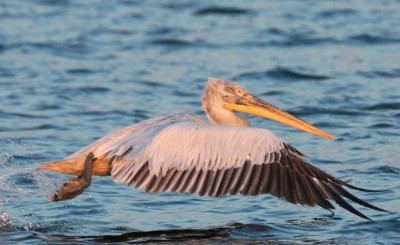
El lujo de recorrer el Delta del Danubio y sus canales en hotel flotante privado, hacen de nuestro viaje a Rumanía uno de los más solicitados.
VIAJE COMPLETO
14/06 al 22/06 de 2024
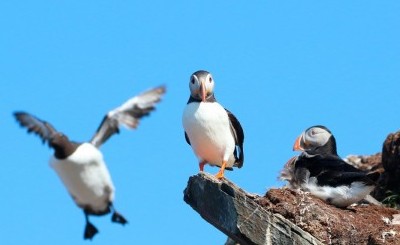
NORUEGA ÁRTICA
2.720 €
Sobrecogedores paisajes y la sensación de experimentar el “sol de medianoche” hacen este viaje al Ártico una experiencia única
VIAJE COMPLETO
14/09 al 22/09 de 2024
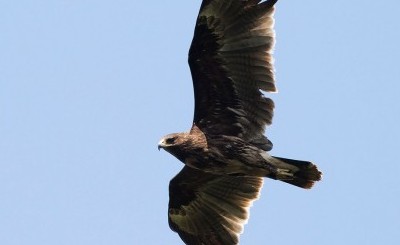
GEORGIA
2.650 €
Miles de rapaces se dirigen al sur desde sus lugares de cría en la Europa Oriental ¡Un espectáculo que no puedes perderte!
VIAJE COMPLETO
27/09 al 12/10 de 2024
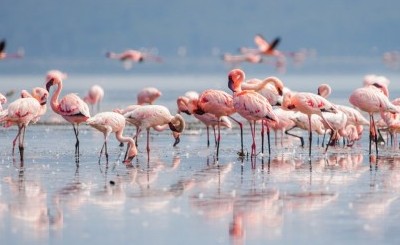
KENIA
5.570 €
Un itinerario diseñado para, no sólo registrar multitud de especies de aves, sino también para observar grandes mamíferos.
VIAJE COMPLETO
29/10 al 08/11 de 2024
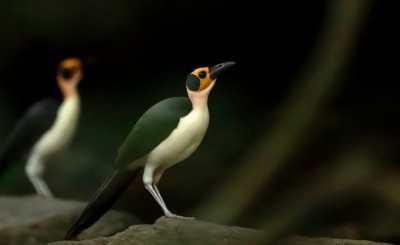
GHANA
3.450 €
Un viaje diseñado para observar algunas de las aves más interesantes y difíciles de localizar del Occidente africano
VIAJE COMPLETO
02/12 al 20/12 de 2024
TAILANDIA
5.295 €
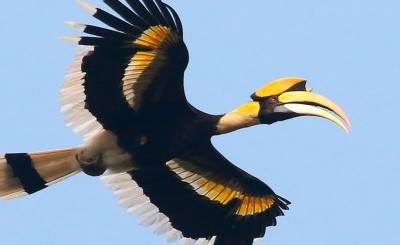
¡Por fin nuestro primer viaje a Tailandia! Recorreremos los mejores lugares para observar aves en el norte y centro del país
Excursiones 2024
Excursiones programadas para los próximos meses
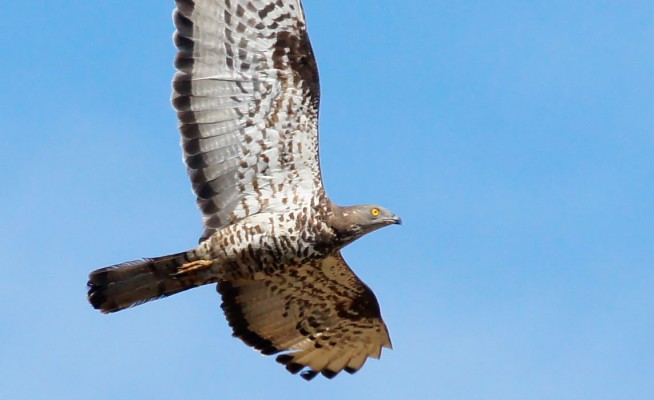
Valle del Lozoya
22/05/2024 - 22/05/2024
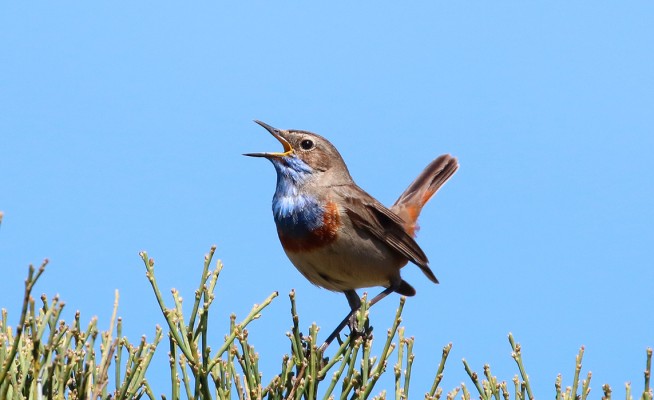
Aves y estrellas en Gredos
08/06/2024 - 09/06/2024
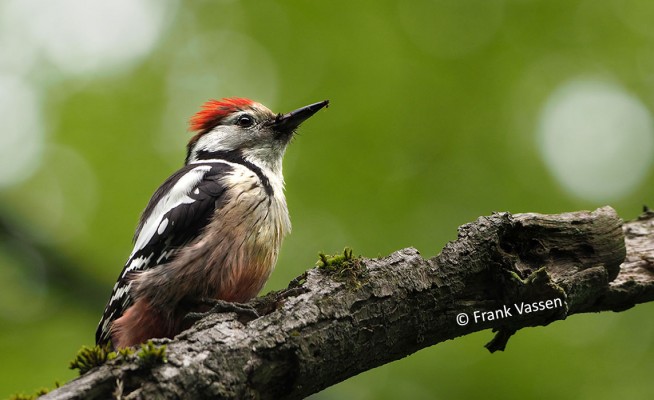
Montaña Palentina
25/06/2024 - 27/06/2024
Picos de Europa y Liébana
04/07/2024 - 07/07/2024
Últimos post publicados en nuestro blog
Noticias, reportajes, fotos y vídeos de nuestros viajes... asómate a nuestro blog si quieres estar informado de todas nuestras actividades
Algunas opiniones de nuestros viajeros
"
Dosel verde y tierra roja. Palpitante, inesperada, humana... el picozapato en línea de salida dando paso a multitud de aves, mamíferos, insectos, reptiles... Alfred, antiguo ranger y hoy guía local de Spainbirds, así como el resto del equipo, se han desvivido para hacernos el viaje fructífero y confortable. Un país para volver.
Uganda, 2019
"
Ana M. de Lage
"
El viaje a Rumanía ha sido extraordinario en todos los aspectos, los guías de 10 (John es una joya a cuidar: atento, servicial, paciente, y un fuera de serie como naturalista total). El lugar indescriptible y de una densidad de aves inimaginable. En fin, una pena que se terminara tan pronto.
Delta del Danubio (Rumanía), 2019
"
P. Rodriguez Panizo
"
India, país inmenso en todos los sentidos, nos recibió como soñábamos y nos enseñó su Naturaleza profunda allí donde esta se mezcla, o al menos convive, con millones de personas que buscan su futuro sin renunciar a sus tesoros naturales. ¡¡¡ Gracias Spainbirds por hacerlo posible !!!
India, 2019
"
R. Chalé