


Viajes de observación y fotografía de Naturaleza
Agencia especializada en turismo ornitológico desde 1999
Viajes Internacionales 2024
¿Estás interesado en viajar a otros países para observar aves? Esta es nuestra propuesta de viajes internacionales:
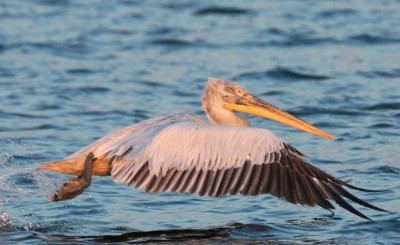
VIAJE COMPLETO
30/05 al 07/06 de 2024
RUMANÍA
2.510 €
El lujo de recorrer el Delta del Danubio y sus canales en hotel flotante privado, hacen de nuestro viaje a Rumanía uno de los más solicitados.
VIAJE COMPLETO
14/06 al 22/06 de 2024
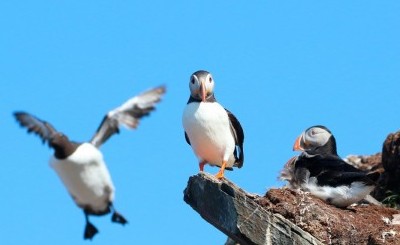
NORUEGA ÁRTICA
2.720 €
Sobrecogedores paisajes y la sensación de experimentar el “sol de medianoche” hacen este viaje al Ártico una experiencia única
VIAJE COMPLETO
14/09 al 22/09 de 2024
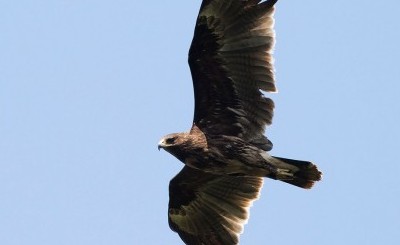
GEORGIA
2.650 €
Miles de rapaces se dirigen al sur desde sus lugares de cría en la Europa Oriental ¡Un espectáculo que no puedes perderte!
VIAJE COMPLETO
27/09 al 12/10 de 2024
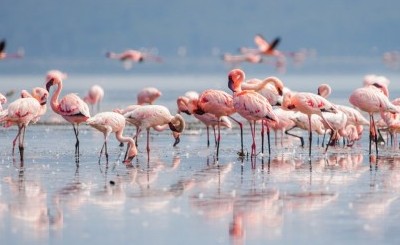
KENIA
5.570 €
Un itinerario diseñado para, no sólo registrar multitud de especies de aves, sino también para observar grandes mamíferos.
VIAJE COMPLETO
29/10 al 08/11 de 2024
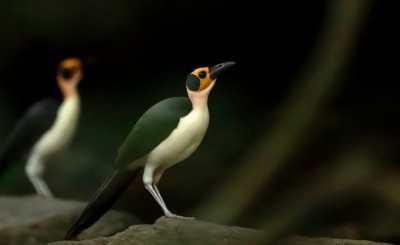
GHANA
3.450 €
Un viaje diseñado para observar algunas de las aves más interesantes y difíciles de localizar del Occidente africano
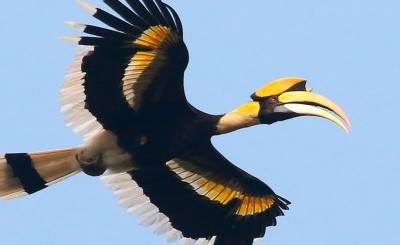
VIAJE COMPLETO
02/12 al 20/12 de 2024
TAILANDIA
5.295 €
¡Por fin nuestro primer viaje a Tailandia! Recorreremos los mejores lugares para observar aves en el norte y centro del país
Excursiones 2024
Excursiones programadas para los próximos meses
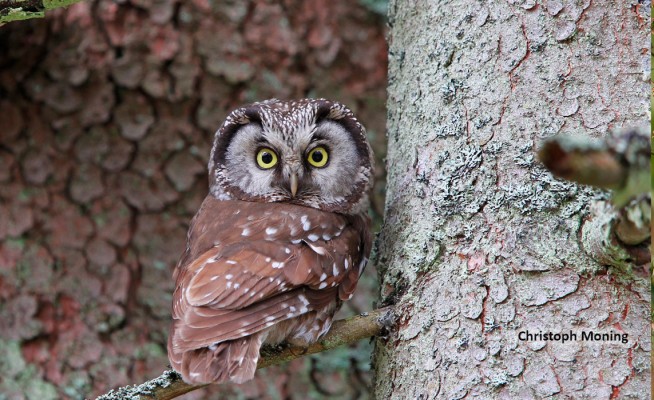
Especial búhos y aves alpinas en el Pirineo
14/05/2024 - 17/05/2024
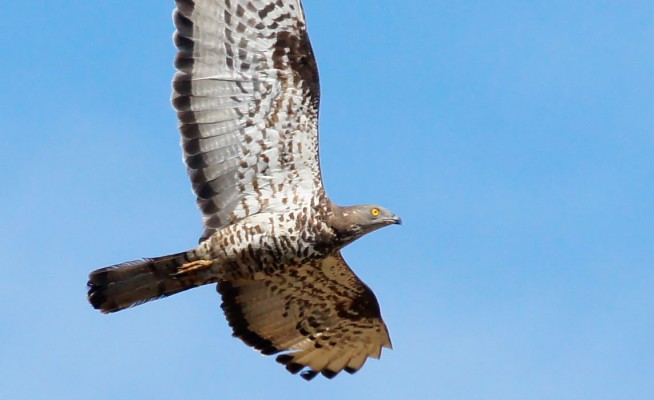
Valle del Lozoya
22/05/2024 - 22/05/2024
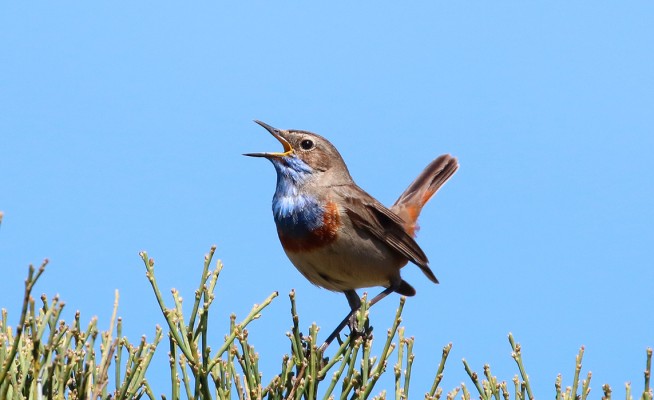
Aves y estrellas en Gredos
08/06/2024 - 09/06/2024
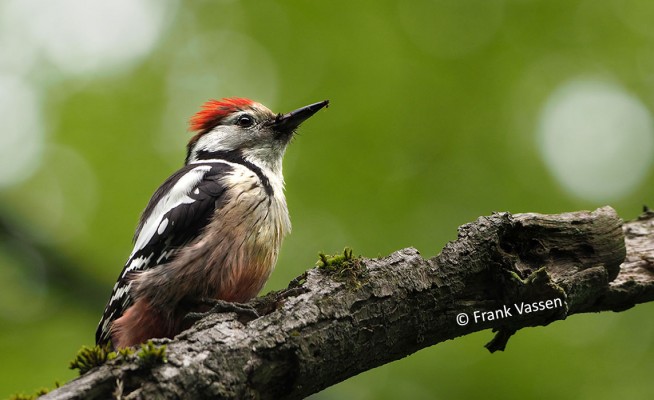
Montaña Palentina
25/06/2024 - 27/06/2024
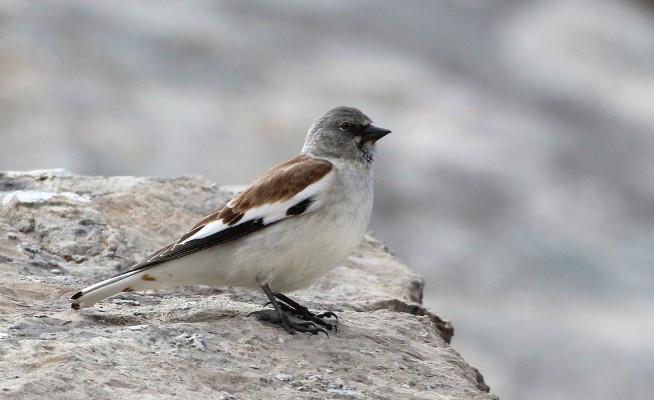
Picos de Europa y Liébana
04/07/2024 - 07/07/2024
Últimos post publicados en nuestro blog
Noticias, reportajes, fotos y vídeos de nuestros viajes... asómate a nuestro blog si quieres estar informado de todas nuestras actividades
Algunas opiniones de nuestros viajeros
"
India, país inmenso en todos los sentidos, nos recibió como soñábamos y nos enseñó su Naturaleza profunda allí donde esta se mezcla, o al menos convive, con millones de personas que buscan su futuro sin renunciar a sus tesoros naturales. ¡¡¡ Gracias Spainbirds por hacerlo posible !!!
India, 2019
"
R. Chalé
"
El viaje a Rumanía ha sido extraordinario en todos los aspectos, los guías de 10 (John es una joya a cuidar: atento, servicial, paciente, y un fuera de serie como naturalista total). El lugar indescriptible y de una densidad de aves inimaginable. En fin, una pena que se terminara tan pronto.
Delta del Danubio (Rumanía), 2019
"
P. Rodriguez Panizo
"
Leyendas y paisajes que nos presentan sus aves, aves que se dejan fotografiar. Spainbirds nos lo presentó en toda su plenitud, en el momento más espectacular del año. Se nota que es un viaje “rotundamente maduro”, perfeccionado año tras año. Santi y John lo saben todo y lo saben enseñar. ¡Gracias!
Escocia, 2019
"
F. Gutierrez